1. Construction and Architecture
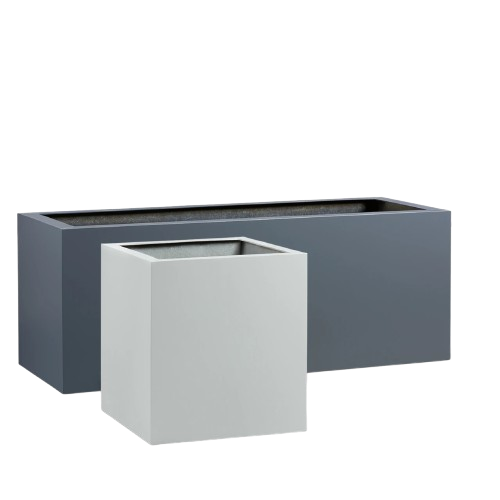
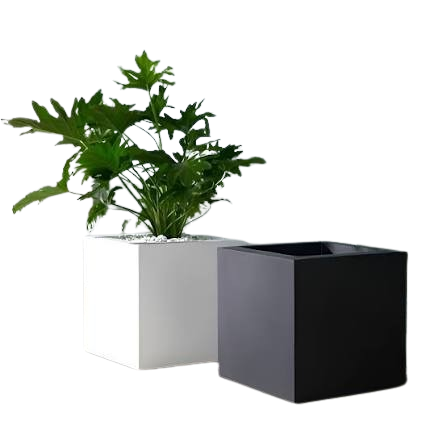
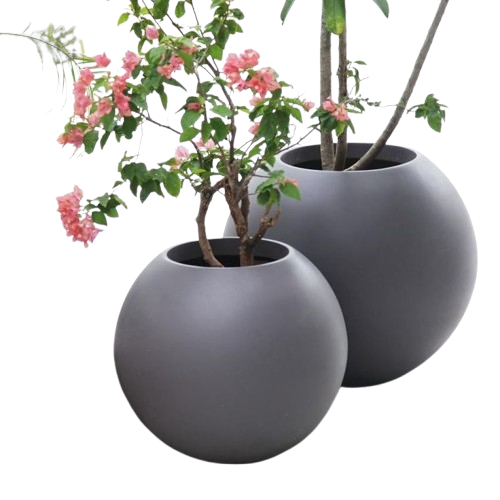
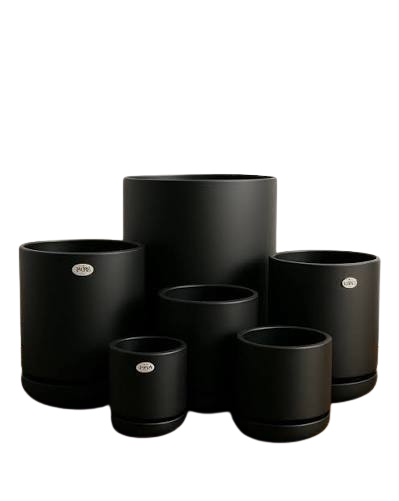
Fiberglass is widely used for roofing sheets, wall panels, custom planters, relief sculptures, fountains, and structural beams due to its lightweight nature and resistance to outdoor weather elements.
2. Marine and Automotive
Boats, kayaks, car body panels, and truck caps utilize GRP composites to reduce overall weight while maintaining impact resistance and waterproofing.
3. Home Insulation
Unbound fiberglass wool is one of the most common materials used in residential and commercial thermal and acoustic insulation, helping cut heating and cooling costs.
4. Chemical Storage & Piping
Underground storage tanks, industrial pipes, and chemical ducting use corrosion-resistant C-Glass to safely contain liquids without degrading over time.
Pros and Cons of Fiberglass
Advantages
- Extremely durable and long-lasting
- Low maintenance requirements
- Cost-effective compared to carbon fiber or stainless steel
- Waterproof and non-porous finish
Disadvantages
- Requires personal protective equipment (PPE) during cut-and-grind handling due to fine dust
- Can be brittle under extreme single-point impact compared to structural steel
- Recyclability remains challenging compared to traditional thermoplastic materials
Frequently Asked Questions (FAQ)
Is fiberglass waterproof?
Yes. When properly sealed with a resin matrix and gel coat finish, fiberglass is completely non-porous and waterproof, making it the industry standard for marine hulls and outdoor water features.
Is fiberglass better than carbon fiber?
Fiberglass is significantly more affordable and flexible than carbon fiber. Carbon fiber is stiffer and lighter, but fiberglass offers superior impact resistance and lower manufacturing costs for general structural uses.
How long does fiberglass last?
When protected from severe UV degradation or structural overloading, quality fiberglass products can easily last over 30 to 50 years with minimal maintenance.